Solar & renewablesUpdated 22 September 20268 min read
Battery and hybrid systems for licensed electricians
A household battery is a second source of energy with fire, isolation and competence rules that a PV-only job does not teach. This article covers AS/NZS 5139 location, backup loads, inverter categories, DC versus AC coupling, and what a restricted licence holder cannot do.
By Tom Rafter
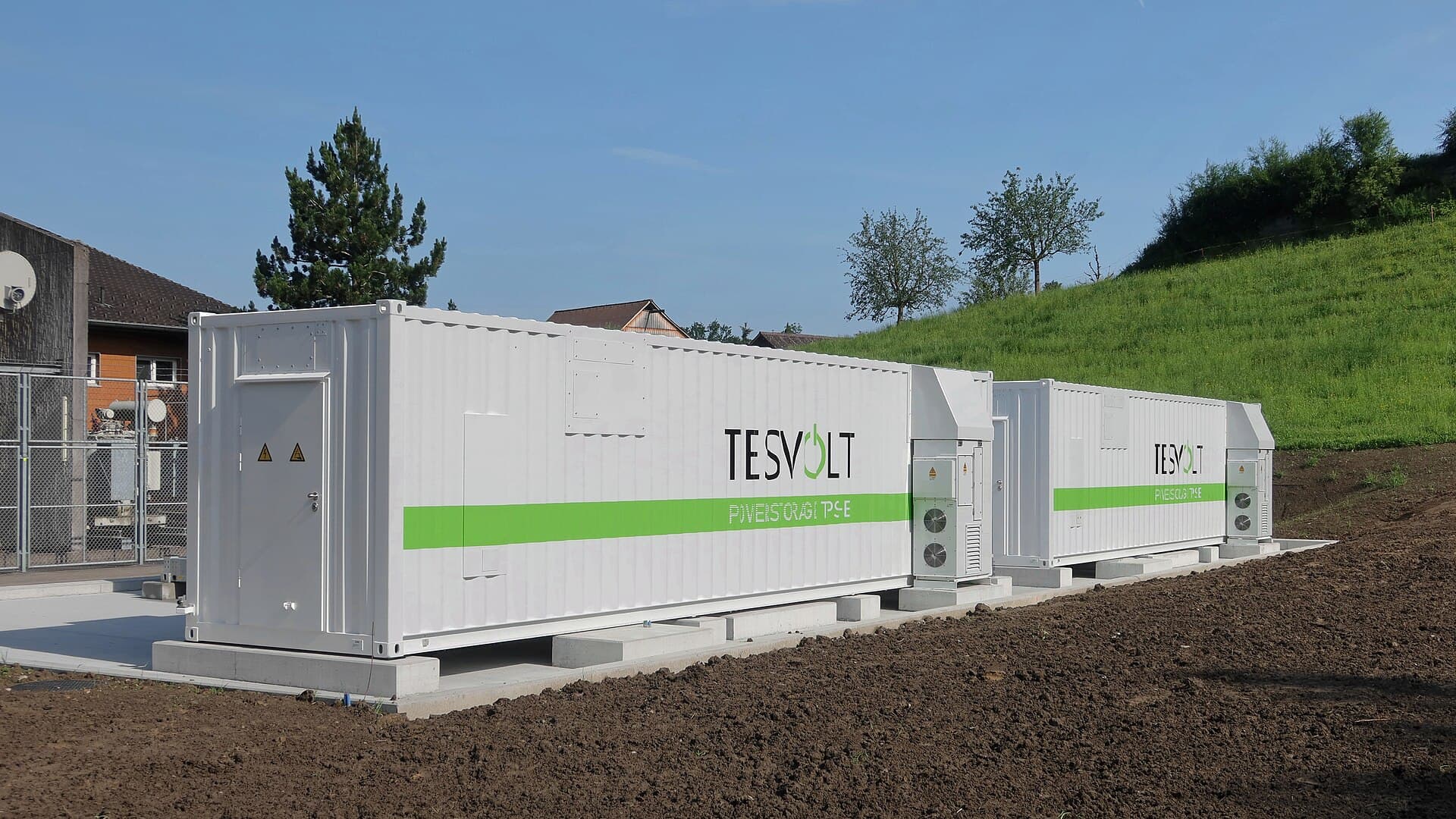
Household batteries arrived on the back of rooftop PV and inherited some of its bad habits: sales drawings without isolators, garage walls chosen for Wi-Fi, and a belief that the solar electrician can "just add storage" on a Saturday. Storage is a different system. It is a second source of energy, often inside the building envelope, with a fire and location standard of its own.
Licensed electricians working in solar and renewables need AS/NZS 5139, the inverter product standard path (AS/NZS 4777), AS/NZS 3000, the manufacturer's manual, and a clear view of who is competent. CEC accreditation may be required for the incentive or the network. It still does not replace the electrical licence.
Do not invent current rebate dollar figures to close a battery. Do not skip earthing, RCDs or certification because the unit is "plug and play".
Isolation for a system that will not sit still
A shutdown sequence that still works when the grid is gone
A battery can feed the inverter when the array is isolated. A hybrid can feed selected circuits when the grid is isolated. Isolation that only thinks about PV strings is incomplete.
You need a way to isolate the battery electrically, in the form the manufacturer and AS/NZS 5139 require — often a dedicated battery isolator, sometimes integral, always labelled. You need AC isolation of the inverter. You need DC isolation of the array if PV is present. You need a shutdown sequence that states the order, because pulling the wrong switch first can leave a live backup bar or a live DC bus.
Lockable devices. Adjacent where required. DC-rated on DC. No AC isolators on battery conductors because they were in the van. If the battery is in a garage and the inverter is in a laundry, the owner must still be able to follow the labels without a scavenger hunt. Photograph the as-built sequence into the handover pack described in rooftop solar contractor responsibilities.
Fire, location and the room that looked convenient
AS/NZS 5139 exists because lithium systems store energy and can fail badly. Location is a design decision. Habitable rooms, escape paths, ceiling spaces, and cupboards that become ovens are the usual arguments.
Read the standard and the manual together. Manufacturers specify clearances, mounting surfaces, ambient limits, and whether a garage, a dedicated enclosure, or an outdoor wall is permitted. They specify protection from mechanical impact — a battery behind a parking bay needs a bollard or a location cars cannot reach. They specify whether the unit may sit on a timber wall, a fire-rated wall, or only on a listed enclosure.
The NCC and state fire authorities may have more to say about batteries in dwellings and in apartment buildings. Strata and enclosed car parks are not suburban garages. If a fire engineer or the owners corporation has a rule, it binds the location even if the manufacturer would have allowed the wall.
Do not install a battery in a bedroom, a hallway that is the only egress, or a hot unventilated cavity because the cable run was short. Do not cover the unit with storage. Do not put the indoor rated unit on a western outdoor wall and hope the IP rating forgives you. Smoke alarms in the same dwelling still follow state rules; a battery job is a bad day to leave them bagged.
If the site cannot accept the battery in a lawful location, say so. A smaller unit, an outdoor listed enclosure, or no battery are the options. "We'll monitor the temperature in the app" is not a location method.
Backup loads are a second switchboard job
Clients hear "battery" and picture the whole house. Most hybrids backup a selected set of circuits on a dedicated bar or a second enclosure. That is new electrical work: identification of circuits, a changeover or backup port arranged so that MEN and earthing remain lawful in grid-connected and islanded states, and a load list that the inverter can actually carry.
Islanding and the MEN system are where people get hurt. When the grid is gone, the neutral-earth relationship at the installation must remain defined. Follow the inverter manufacturer's earthing and neutral-forming instructions and AS/NZS 3000. Do not create a second MEN on the backup board "for luck". Do not leave the backup bar earth-free. Do not connect a generator, a battery and a grid inverter on the same neutrals without a designed arrangement.
Write the backup list in the quote. A fridge, a lighting circuit, a communications outlet and a medical device are a different design from a ducted air-conditioner and a cooktop. If the client wants whole-home backup, size the inverter, the battery and the switchboard for that, including the service isolation and the labelling that says the house may still be live.
Test changeover. Prove that grid isolation actually isolates. Prove that the backup bar is dead when you intend it to be dead, and live when you intend it to be live. This is not a software toggle you skip because the commissioning app showed green.
Inverter categories and the words sales use
Grid-interactive inverters that shut down on loss of mains are not multimode inverters. Multimode (hybrid) inverters can form a backup supply. Some products are AC-coupled battery inverters that sit on the load side of an existing PV inverter. The category decides isolation, earth-neutral behaviour, and what you may promise about blackouts.
AS/NZS 4777.1 and .2, plus the product listing the DNSP will accept, are the documents. A cheap unlisted inverter is not a residential battery system in Australia. Export limits, demand response and earth-fault functions have to match the network offer. Commission the settings you were approved for. Do not leave factory defaults that export above the offer because "the customer wanted more".
UPS-style claims need UPS-style design. A hybrid with a 20 ms transfer may keep a PC on. It will not make a medical installation lawful if the occupancy needed a declared life-support arrangement with the retailer and the DNSP. Life-support is a registration and a design, not a battery brochure.
Who is competent
Unrestricted electrical licence for the state or territory. Relevant CEC battery endorsement if the job is sold or connected under a scheme that requires it. Manufacturer training where the product warranty or the high-voltage DC bus demands it. A solar panel accreditation from 2016 is not automatically a battery ticket.
The competent person designs location, protection, isolation, earthing and backup. They are on site for the isolation and the testing, or they directly supervise in the sense the regulator uses that word. Remote "supervision" from a sales office is not competence.
Electricians who are new to storage should not learn on a live DC bus in a customer's garage. The energy in a residential battery is enough to weld a tool and start a fire. Treat it with the same respect you would give a switchboard you have not proved dead.
DC-coupled versus AC-coupled
DC-coupled storage shares the PV inverter's DC architecture, or uses a hybrid with PV and battery on the same box. String isolation, battery isolation and a single AC connection are the usual shape. You are in PV array and battery standards at once. Connector quality, cable ratings and DC fault protection all bite.
AC-coupled storage adds a battery inverter to an existing PV system. It can be the right path when the existing PV inverter is sound and listed. It can also be a way to stack inverters on a board that cannot accept another generation connection. Re-assess the switchboard, the export limit and the shutdown labels as a new system, not as a box on the wall. Two inverters mean two isolation stories and one coherent label set.
Do not AC-couple onto a defective existing PV installation to "make it modern". Rectify the PV defects first — missing isolators, mixed connectors and an undocumented earth are still defects after you hang a battery.
Off-grid systems use the same battery physics and a harsher earthing and generator problem. They are not a hybrid with the grid switched off. See off-grid and remote-area power systems.
What a restricted licence holder cannot do
Restricted electrical licences exist so competent trades can disconnect and reconnect certain fixed appliances. They do not authorise:
- new final subcircuits or switchboard alterations
- PV DC string work
- battery DC work
- MEN or earthing system changes
- generation connections
- isolation systems for multimode inverters
- certification of the above
A wall battery is not a dishwasher. Sending a restricted licence holder to hang the cabinet and "plug in the AC connector" is unlicensed electrical work dressed as installation. If your firm uses mixed crews, the licensed electrician does the electrical work and signs it. The restricted card stays in the wallet.
Apprentices work under supervision. Supervision means the licensed person can take responsibility for the work as done, not that their number appears on a form while they are on another job.
Testing and documentation
Prove dead before you open a battery enclosure. Follow the manufacturer's safe-work sequence. Insulation resistance, polarity, earth continuity, RCD testing on relevant AC circuits, and commissioning logs from the inverter and the battery management system all belong in the file. Record firmware versions and the export and backup settings.
AS/NZS 5139 documentation, the electrical certificate, CEC paperwork if used, and a shutdown poster that matches the hardware are the minimum handover. Include the location constraints — keep clear, no storage on the unit, vehicle protection — so the owner does not bury the battery in paint tins six weeks later.
Job-site checklist
- Confirm unrestricted licence, any required CEC battery endorsement, and manufacturer instructions before you quote a location.
- Apply AS/NZS 5139 and the NCC path to the room, wall, clearances and egress. Refuse unlawful locations.
- Design isolation for array, battery and AC, with a labelled shutdown sequence for grid-connected and islanded states.
- Design backup loads and earth-neutral behaviour; do not promise whole-home backup on a ten-amp essential-loads port.
- Re-assess the switchboard for an additional source. Upgrade it if the busbar, MEN or space cannot take the system.
- Do not use restricted licence holders for battery, DC or switchboard work.
- Commission listed inverters to the DNSP offer. Record settings.
- Protect the unit from vehicles, weather and storage. Photograph clearances.
- Test, certificate, and hand over a shutdown walk-through.
- If the existing PV is defective, rectify it before you couple a battery to it.
A battery is not a panel accessory. It is a stored-energy installation inside or on a dwelling, and it will still be there when the sales company is not. Isolate it, locate it, earth it, and certify it, or leave it on the truck.
Questions contractors ask
- Can a restricted electrical licence holder install a wall battery if they only land the AC connector?
- No. Battery systems involve energy sources, isolation, earthing, switchboard changes and, on DC-coupled jobs, DC work. Restricted disconnect-reconnect licences do not cover that scope. Unrestricted electrical licensing and the relevant CEC battery endorsement are the usual pair.
- Is a garage wall always an acceptable battery location?
- No. AS/NZS 5139, the manufacturer's installation manual and the NCC fire and egress provisions decide location. Clearances, not blocking exits, not sitting in a habitable room the manufacturer forbids, and protection from vehicles all matter. A pretty garage wall can still be the wrong wall.
- Does a hybrid inverter mean the whole house stays on during a blackout?
- Only if you designed a backup loads arrangement, or a whole-site backup, that the inverter can actually support, with a lawful earth-neutral arrangement when the grid is gone. A hybrid sitting in grid-follow mode is not a UPS.