Solar & renewablesUpdated 12 October 20267 min read
Solar compliance inspections and the defects that keep turning up
Inspectors keep finding the same rooftop defects because the same shortcuts keep surviving handover. Missing labels, poor DC string work, roof penetrations, unprotected generation on old boards, and undocumented batteries are not bad luck — they are a sales-versus-licence problem.
By Helen Wu
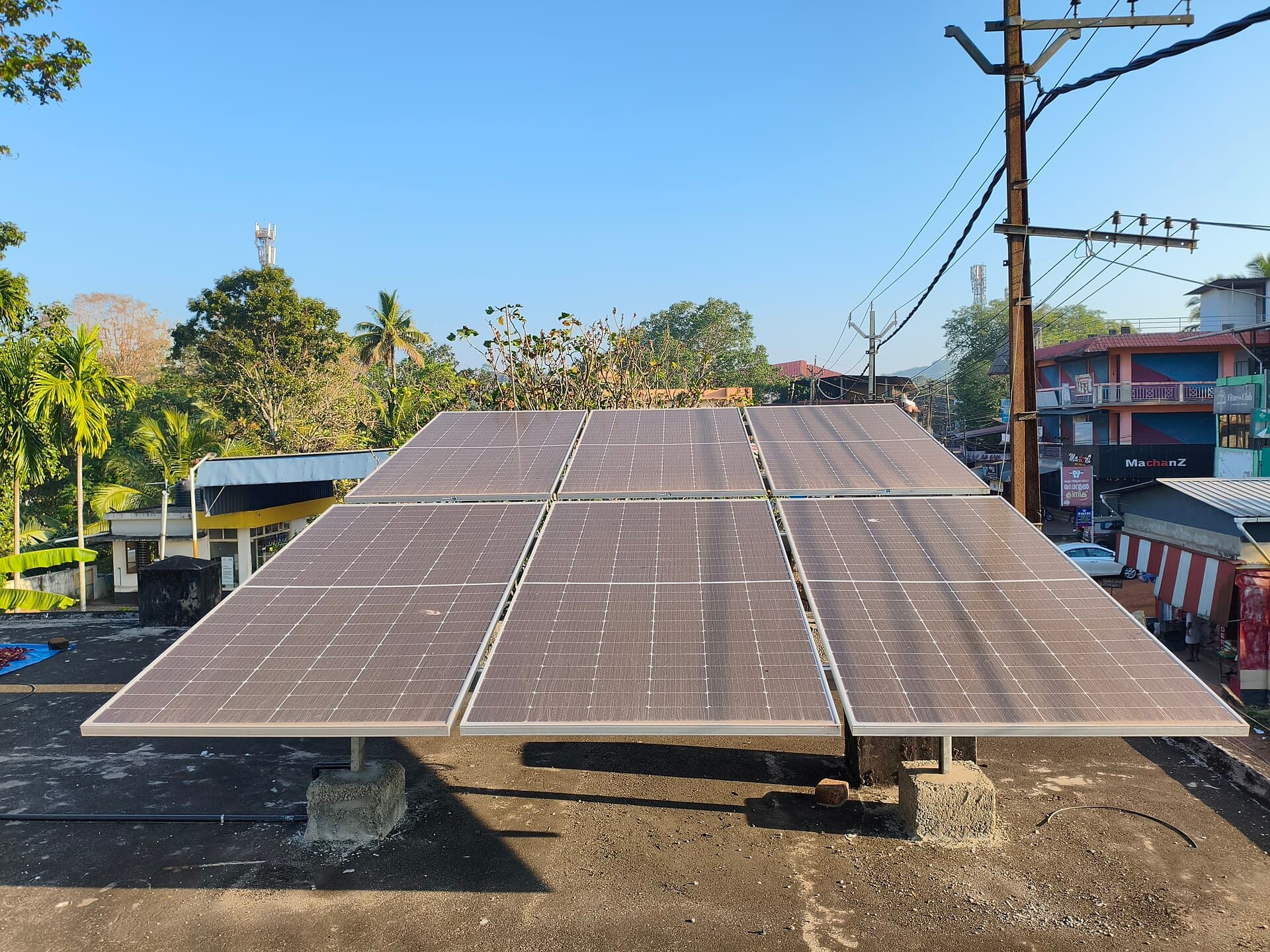
Compliance inspections are where solar and renewables work meets a person who was not paid to hurry. The same defects appear because the same commercial pressure appears: get generation on before the next sales milestone, leave labels to the office, land the inverter on a board that should have been replaced, and treat the battery as an accessory that someone will document later.
This piece is for inspectors, for licence holders who inherit strangers' systems, and for contractors who would rather find the defect on their own checklist. It is not a licence to skip earthing, RCDs or certification on the rework. If you are quoting the original job, read rooftop solar contractor responsibilities and CEC accreditation explained so you do not install the defects this article describes.
Missing labels
A stranger must be able to shut it down from the stickers
The defect that takes ten minutes and fails a day of inspection is the label. Shutdown procedure, PV isolator identification, generation present, main switch (inverter supply), multiple supplies, and a circuit schedule that mentions the inverter — they are specified because fire and rescue and the next electrician will not phone the sales rep.
Typical failures: a photocopy in a plastic sleeve that has cooked in the meter box; a shutdown poster for a different inverter; DC isolators with no identification; a new inverter on a board whose schedule still lists "stove" and four times "power"; no label at the front meter panel when the inverter lives at the rear. Coastal installations lose adhesive. Cheap tape loses letters.
Pass only if a stranger can isolate the system from the labels in front of them. If you cannot, it is a defect even if the hardware is present. Reprinting labels is not optional extra work. It is completing the installation.
Poor DC string work
DC is where roofs become arc factories. Mixed-brand connectors that almost fit, connectors crimped with the wrong die, unsupported cable in the wind, cables sitting on abrasive tiles, no drip loops into isolators, isolators mounted so the lid holds water, and DC switchgear that is AC-rated are the usual set.
String fusing and cable sizing that ignore reverse current, damaged insulation at roof penetrations, and "temporary" tape joints behind a module also keep turning up. So does a missing array earth that was going to be a jumper on the last rail.
Inspect with the array isolated and proved. Open a sample of connectors. Look at the underside, not only the Google-Earth neatness of the modules. If the cable management is cable ties in UV for three summers, they are powder. If the isolator enclosure has a river of water marks, it has been raining inside the switch.
Rework is DC-rated parts, manufacturer-compatible connectors, mechanical support, and a new insulation-resistance test. Do not "tighten" a mixed connector and pass it.
Roof penetrations
Every hole is a plumbing defect until proved otherwise. Unflashed screw holes, silicone as the only weatherproofing, cables through unbushed metal, and penetrations on the low side of a tile where water sits are how solar companies end up in arguments with roofers.
The electrical inspector is not the roof inspector, but an installation that admits water onto live DC cable is an electrical defect. Damp sarking on a DC run, rust blooming from a rail foot, and a wet ceiling under an isolator are in scope.
Photograph penetrations on the original job. On inspection, look from the roof space as well as from the tiles. Require a lawful flashing or a listed penetration system on the rework. Do not accept a new blob of silicone as a close-out.
Unprotected PV on old boards
This is the defect that should have been a board upgrade and became a solar sticker instead. Rewirable fuses, no lockable main switch (inverter supply), no space for generation labelling, a MEN that lives on a meter panel you cannot isolate, asbestos backing that was drilled for a new gland, and a busbar asked to carry load and generation it was never sized for.
Inverters landed on a power circuit. Inverters landed without adjacent AC isolation. RCDs that do not match the inverter manufacturer's instructions. Consumer mains that were already warm before the array existed.
If you are inspecting, fail the generation connection until the board can accept it. If you are the original contractor, do not let a sales deadline talk you into a "temporary" connection on porcelain. Temporary generation has a way of lasting until the fire.
See inverter and switchboard changes when PV lands on an old board for the construction sequence. The inspection version is shorter: if the board would not pass as a 2020s installation for the work you are certifying, the PV does not pass either.
Undocumented batteries
The garage grows a cabinet. The hybrid gets a stack. Someone's brother "adds storage" on a weekend. Inspectors who only look at the roof miss a second energy source that can feed the house when the PV isolator is open.
An undocumented battery is a failure of isolation, location (AS/NZS 5139), labelling, earthing and competence. It may also be unlisted equipment. Treat it as live until proved otherwise. Demand the manual, the certificate, the shutdown sequence and the location justification. If none exist, make it safe — isolate, prevent re-energisation, and write the defect as uncertified electrical work.
Do not pass the PV and write a polite note about the cabinet. The cabinet can kill someone who believed your pass sticker.
Other regulars
- Export settings that do not match the DNSP offer.
- Inverters not on the list the network accepted.
- Missing surge protection where the design or manufacturer required it.
- Communications cables in the same unbarriered enclosure as DC.
- No handover pack, or a pack that belongs to a different address.
- CEC paperwork that names an installer who was not on site.
- Restricted licence holders used for DC or board work.
- Smoke alarms left bagged after the roof space was used as a cable highway.
- Outdoor isolators that have been painted shut.
None of these are exotic. They are what happens when the checklist is a sales milestone.
Sales versus the licence holder
The sales company owns the brochure. The licence holder owns the certificate. Those two sentences are the whole politics of this industry.
If you are the licensed electrician, you do not certify a design you have not accepted. You can refuse a roof that needs a structural opinion. You can refuse a board. You can refuse a battery location. You cannot be "just the AC guy" on a live DC system you have not seen and then claim surprise at the inspection.
If you are the inspector, name the defect against the clause and the equipment, not against the brand of salesperson. Be specific: which isolator, which string, which missing bond. Photographs with a tape or a label in frame. A fail that says "poor workmanship" teaches nothing and does not survive a dispute.
If you are taking over an orphan system, do not recertify from the original sales pack. Inspect as new. Measure against a complete handover — certificate, serials, shutdown labels, tests — not against a sales PDF. Anything absent is a defect or an unknown.
Owners will ask you to "just sign it so we can get the incentive". Incentives change and we will not quote their current dollars. A signature on a defective system is still your signature when the incentive has been forgotten.
How to inspect without becoming part of the defect
Work dead. Prove isolation. Use the shutdown labels — if they do not work as a sequence, that is finding number one. Check licence and accreditation claims against what the paperwork says. Open the board. Open a sample of DC enclosures. Get on the roof or into the roof space. Look at the battery location as a fire and egress problem, not as furniture.
Test what you can test without creating a hazard: continuity of array earth, insulation resistance if the system can be isolated cleanly, RCD operation on relevant circuits, polarity, and that the main switch (inverter supply) does what it says. Do not prod a live DC connector to "see if it's tight".
Record firmware and export settings. A system that was compliant on commissioning can be non-compliant after an owner or a remote desktop changed a parameter. That is still a defect; the remedy may be a setting, not a rewire.
Job-site checklist
- Identify every source: PV, battery, generator, EV charger that can backfeed. Undocumented sources are defects.
- Walk the shutdown sequence from the labels only. If you need tribal knowledge, fail the labels.
- Open the switchboard. Check generation protection, MEN, asbestos disturbance, and busbar sense.
- Inspect DC connectors, support, isolator orientation and array earthing on the roof or from the underside.
- Inspect roof penetrations from above and from the roof space.
- Apply AS/NZS 5139 to any battery. Location and isolation are not optional extras.
- Compare DNSP offer, inverter listing and as-found settings.
- Check that the person who certified was licensed and, if claimed, CEC-accredited for the work.
- Photograph defects with context. Write clause-level notes.
- Do not pass on a promise that labels or a board upgrade will happen next week.
Inspections exist because generation systems stay dangerous after the celebration photo. The defects in this article are boring, which is why they persist. Find them on purpose. The interesting failure — the one that makes the paper — is usually one of these, left for later.
Questions contractors ask
- If the sales company designed the system, does the inspecting electrician own the defects?
- The person who certified the electrical work owns that work. A sales drawing does not move a missing isolator onto someone else's licence. If you are the incoming inspector, you record defects against the installation, not against a brochure.
- Are missing shutdown labels a paperwork issue or a fail?
- They are a fail. Labels are part of the installation under the inverter and PV standards and the CEC guidance. A correct isolator with no durable identification is not a complete shutdown system.
- Can I pass a system that has an undocumented battery if the PV side looks clean?
- No. An undocumented energy source is a safety defect. Isolate, identify, and treat the battery as part of the installation or make it safe and record it as uncertified work. Do not tick the PV checklist and walk past a cabinet on the garage wall.