Residential electricalUpdated 1 October 20268 min read
Residential EV charger installations without the guesswork
A Mode 3 charger is a fixed electrical installation, not a 15 A convenience outlet with a prettier faceplate. This article covers dedicated circuits, load management, outdoor IP rating, MEN and earthing, strata politics, and when the DNSP has to hear about the job before you energise.
By Daniel Okonkwo
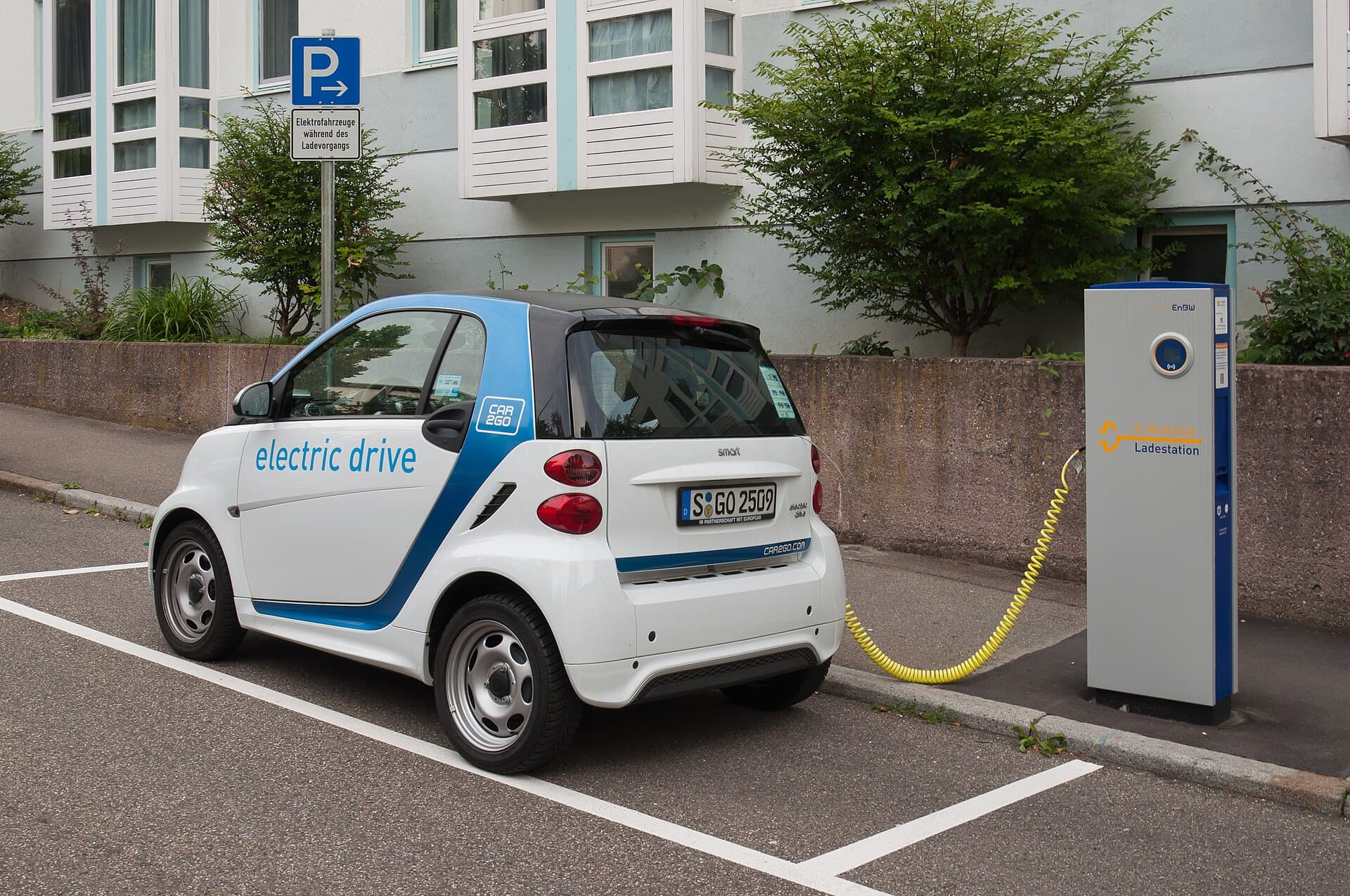
Residential EV charging is the new air-conditioner: everyone wants it on Friday, the existing board is from Tuesday 1979, and the sales brochure shows a white box on a rendered wall with no isolator, no gland, and no mention of the MEN system. The residential electrician's job is to refuse that picture and install a circuit.
A Mode 3 electric vehicle supply equipment (EVSE) unit is part of the electrical installation. It needs a dedicated circuit, isolation, residual-current protection of the type the manufacturer and AS/NZS 3000 require, an earthing arrangement that still works if a conductor fails, and a certificate. It does not need a made-up rebate figure and it does not need a 15 A socket described as "the charger circuit". If the Wiring Rules reading is rusty, open AS/NZS 3000 for contractors before you open the carton.
Dedicated circuit means dedicated
Continuous current is not a kettle
The manufacturer's installation manual is an instruction, not a pamphlet. Most domestic wallboxes want their own final subcircuit, their own protective device, and a cable sized for the continuous load. Charging is a long, steady current. It is not a kettle. Voltage drop, bundling through insulation, and the temperature of a western-wall enclosure all matter. AS/NZS 3008 is how you size the cable. A "32 A breaker and whatever 6 mm² we have on the van" is not a calculation.
Isolation needs to be at the EVSE and at the switchboard, in the form the standard and the manufacturer specify. An outdoor isolator that cannot be locked, or a din-rail breaker buried behind a pile of paint tins, fails the person who has to make the unit dead. Label both ends. If the charger has a built-in switch, that does not cancel the need for a circuit-breaker and RCD arrangement you can isolate without standing in the rain holding the car keys.
Do not share the circuit with a freezer, a workshop welder, or the outdoor GPOs on the same wall. Load management is a designed function. It is not "they won't run everything at once".
A 15 A socket is not a charger circuit
Mode 2 charging uses an in-cable control and protection device on a household socket-outlet. It is how people charge the first car they bring home. It is also how 15 A outlets, extension leads and two-pin adapters get hot at 1 a.m.
You can install a 15 A weatherproof outlet for occasional Mode 2 use if the circuit, RCD and IP rating are lawful. You cannot call it the house charging system. You cannot promise it will do every overnight charge for a large battery on a shared 2.5 mm² run. You cannot leave a coiled Mode 2 lead in a plastic tub of water next to the tap. If the client wants regular, high-current charging, sell a Mode 3 circuit or do not take the job.
Insurance assessors and the next electrician will read your certificate. "Installed EV charger" on a 15 A GPO is a sentence that will be read twice.
Load management before the shiny box
Maximum demand is where EV work joins switchboard upgrades in older Australian homes. A 7 kW charger on a 63 A service next to a ducted reverse-cycle unit and an induction cooktop is a diversity problem. Calculate it. If the service fuse, consumer mains or main switchboard cannot carry the assessed demand, you have three honest options: a smaller charger, a charger with configured or dynamic load control, or a supply and board upgrade. "We'll see if it trips" is not an option.
Static load control — a configured maximum current, or an interlock that sheds the charger when the cooktop or the ducted unit runs — is ordinary engineering. Dynamic load control that reads site current and throttles the EVSE is better on tight services. Either must be commissioned and explained. If the load-control CT is sitting in the bottom of the board because the apprentice "didn't know where it went", the charger will behave like a 32 A surprise.
Do not invent network rebate amounts to make the quote prettier. State and federal incentives change. Point the client at the current government program if they ask. Your job is the circuit.
Outdoor IP rating and the weather
Australian carports, southern walls and beachside posts destroy indoor equipment. Use the IP rating the manufacturer specifies for the installed location, and then look at the real location. Driving rain, UV, lawn sprinklers and a hose used to wash the car are the environment. An indoor wallbox under a two-metre eave that faces west is still a weather conversation.
Glands, drains and seals are part of the installation. So is the isolator. So is the cable entry that does not become a hose into the enclosure. Mounting height should keep the connector out of the puddle and still usable by the person who lives there. A unit at 2.1 m on a rendered wall looks tidy in a photo and useless to a shorter driver in the wet.
If the charger sits in a location that is also outdoor power and garden lighting territory — buried feeders, landscape crews, pool fences — treat the route as outdoor wiring, not as an indoor TPS taped to a fence.
MEN, earthing and metal posts
The charger has an earth. The car has an earth. The MEN system bonds earth and neutral at the main switchboard. If that bond is missing, duplicated in the wrong place, or the main earth is a gesture toward a rusty stake, you do not energise a metal box that people touch every night.
Follow AS/NZS 3000 for the earthing system and the manufacturer for any earth-monitoring or residual-current functions inside the EVSE. Many Mode 3 units detect DC leakage and allow a Type A RCD upstream; others require Type B. Read the manual. A Type A on a unit that specifies Type B is not a close enough guess.
Outdoor metal structures, fences used as mounting posts, and conductive carport frames raise bonding questions. Do not invent a second MEN at the charger. Do not use the fence as the earth. If the installation method requires equipotential bonding or a defined earthing conductor to a conductive support, do that work and test it. If the existing MEN is a mess, the EV quote includes the board work. It does not include a note that says "earth appears okay".
PME / MEN broken-neutral scenarios are why some manufacturers include earth-fault monitoring. That function is not a reason to skip a correct main earth. It is a reason to leave the manufacturer's protection enabled and tested.
Mode 2 leads versus Mode 3 equipment
Explain the difference in the quote so the client is not buying a lead and thinking they bought a charger.
Mode 2: portable control box, household socket, limited current, user-abusable. Acceptable for occasional charging on a lawful outlet.
Mode 3: fixed EVSE, dedicated circuit, control of the charging current, a connector that is part of a designed system. This is the residential installation this article is about.
Mode 4 DC charging is not a typical house job. If someone asks for a DC cubicle in a suburban driveway, you are in a different standard set, a different load, and usually a different network conversation. Do not improvise it from a three-phase board and optimism.
Strata is a political installation
A wallbox on a lot in a strata scheme is rarely just a circuit. The cable may cross common property. The board may be a shared meter room. The owners corporation may have a by-law about charging, fire, and allocation of capacity. The fire engineer may have a view about lithium vehicles in enclosed car parks that is outside this journal and still binding on the building.
Do not chase a cable through a common riser because the lot owner "already talked to the building manager". Get written permission for the route, the penetration, the isolation point and the metering. If load management must be building-wide, say so and stop. A row of uncontrolled 7 kW units on a 1970s basement board is a future outage with your name on one of the certificates.
Metering matters. Some schemes want the charger on the lot meter; some have a common-power problem. You do not solve a common-property electricity theft argument by silently landing a circuit on the house meter. You write the metering arrangement down.
DNSP notifications and service rules
Distributors are no longer ignoring EV load. Some want an application or a notification above a published kilowatt figure. Some want to know whenever maximum demand is revised. Some will refuse to lift a service fuse and will instead talk about load control. The service and installation rules for that DNSP are the document, not a Facebook group.
If the house also has PV or a battery, the generation and the charger share a board and a service. Sequence the work with the solar contractor and the metering provider. Do not assume an inverter with "spare capacity" is a charger supply. Do not land a charger on a generator-backup bar without understanding islanding, MEN and what remains earth-referenced when the grid is gone.
What you certify, and what you refuse
You certify the circuit, the protective devices, the earthing, the isolators, the IP-rated installation of the EVSE, and the tests. You do not certify the car. You do not certify a load-management app the owner will never open. You do not certify a 15 A socket as Mode 3 equipment.
Refuse to install without a dedicated circuit. Refuse to skip the RCD type the manufacturer specifies. Refuse to mount an indoor unit in the weather. Refuse to energise on a defective MEN. Refuse to pull a network fuse because the owner is going away on Monday and "just needs it working". Refuse to leave the old 15 A lead as a parallel unofficial charger on the same bay.
Job-site checklist
- Confirm unrestricted electrical licence, manufacturer instructions, and the DNSP service rules for the address.
- Complete a written maximum-demand assessment including the charger, cooking, air-conditioning and generation.
- Notify or apply to the DNSP where their rules require it. Do not guess the threshold.
- Provide a dedicated circuit, correctly sized cable, isolation and the specified RCD type.
- Prove the MEN, main earth and continuity before energising any metal EVSE.
- Install to the IP rating and mounting method required for the real weather at that wall.
- Do not treat a 15 A socket or a Mode 2 lead as the Mode 3 installation.
- In strata, obtain written authority for common-property routes and metering before you cut.
- Commission load management and show the owner what happens when the house is already at the service limit.
- Label board and isolator, photograph as-built, and attach test results to the certificate of compliance.
A residential charger is dull work when it is done properly: a circuit, a calculation, a label, a test. It becomes interesting only when someone tries to skip one of those. Be dull. The car will still charge.
Questions contractors ask
- Is a 15 A weatherproof socket an acceptable dedicated charger circuit?
- No. A 15 A socket may run a Mode 2 lead for occasional charging. It is not a substitute for the dedicated circuit, isolation, RCD type and load assessment that a Mode 3 EVSE requires. Do not label a 15 A outlet as the house charger and walk away.
- Do I need to tell the DNSP about a domestic wallbox?
- Many distributors now want notification or an application once charging equipment crosses a published threshold, or whenever the assessed demand touches the service fuse. Read the service and installation rules for that network. Silence is not a method.
- Can a restricted electrical licence holder install the charger if they can isolate the appliance?
- No. A new final subcircuit, switchboard changes, earthing and certification of this work sit with an unrestricted electrical licence in the state or territory. Disconnect-reconnect authority is not a charger ticket.