Safety & testingUpdated 30 May 202612 min read
Testing and tagging: a contractor's field guide
A tag is not a personality, and AS/NZS 3760 is not a licence to skip the look. This field guide covers in-service inspection, hostile environments, construction versus office intervals, competence, hire gear, and the difference between a tag and a residual current device.
By Daniel Okonkwo
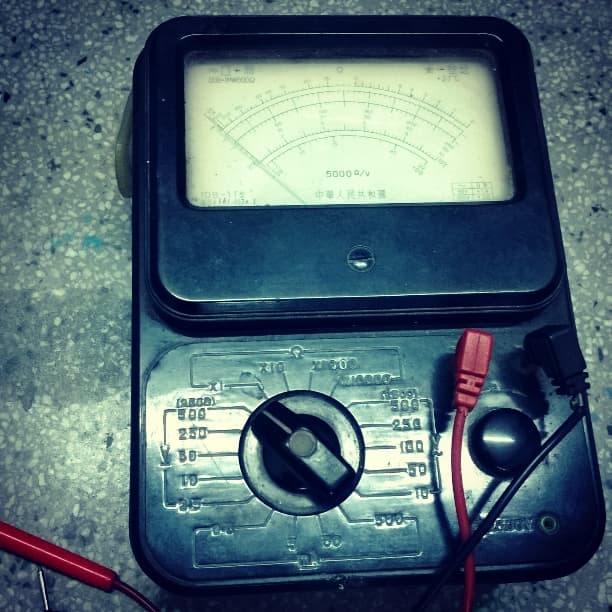
Testing and tagging is the most photographed safety activity in the Australian workplace, and one of the least understood. A coloured tag on a drill is treated as a character reference. A contractor is hired to "do the tags" in a Friday sweep, the same tags are still on the lead in two years with a biro date, and everyone is surprised when a crushed plug puts a labourer on the floor. AS/NZS 3760 is not a tagging standard. It is an in-service inspection and testing standard for electrical equipment and residual current devices. The tag is the label you attach because you did the work. If you did not do the work, the tag is a lie.
The WHS duties sit in the model regulations and in the Safe Work Australia Managing electrical risks in the workplace code. They attach to the person conducting the business or undertaking, including contractors who bring gear onto someone else's site. Construction and demolition add AS/NZS 3012. Hire businesses have their own, shorter, cycle. Queensland writes specified-equipment intervals into the Electrical Safety Regulation. Other states point at AS/NZS 3760 and the environment. The safety and testing job is to know which of those you are standing in, and not to import a Queensland table onto a Perth office because it was on the van clipboard.
This is not a substitute for isolation when you repair what you fail. Failed equipment is disconnected until a competent person — for a repair, that usually means a licensed electrical worker — makes it safe.
What AS/NZS 3760 is actually for
The 2022 edition is the current standard at the time of writing. Confirm that before you quote a clause; standards are amended. Its outcome statement is modest. It is not a design standard, and it is not proof that the equipment complied with the safety specification it was built to. It is a method for inspecting and testing equipment that is already in service, and a way of choosing how often to repeat that method by looking at the equipment and at the environment it lives in.
The methodology matters more than the tag colour. Visual inspection comes first. Open the check to the flex, the plug, the cord anchorage, the appliance inlet, the covers, the controls, the guards, the signs of overheating, moisture, damage and unauthorised repair. A piece of electrical tape on a flex is not a repair. It is a reason to fail the inspection before the instrument comes out of the bag.
Then the tests that the class of equipment requires — typically earth continuity on Class I, insulation resistance or leakage, polarity of extension leads and portable outlet devices, and the residual-current tests when an RCD is part of the equipment. The instrument has to be suitable and in a known state. A cheap checker that glows green on everything, including a lead with no earth, is not a tester. Record the results. Attach a durable tag that shows the test date and the next date. Keep a register that can outlive the tag.
AS/NZS 3760 gives indicative frequencies for different environments. It also says there are usually multiple sub-environments in any location, and that the frequency comes from an assessment of the actual environment the equipment is placed or used in. That sentence is the one the Friday sweep ignores. A drill that lives in an air-conditioned office and a drill that lives in a concrete stairwell are not the same environment because they have the same asset number.
Hostile environments, and the ones that pretend they are not
A hostile environment, in the standard's words, is one where the equipment is normally subject to events or operating conditions likely to result in damage or a shorter life. Mechanical damage, moisture, heat, vibration, corrosive chemicals and dust are the examples. The model WHS regulations use the same idea when they require inspection and testing of plug-in equipment used in those conditions.
Workshops, kitchens, coolrooms, plant rooms, outdoor construction, demolition, agriculture, cleaning, and any floor that eats leads are hostile until proven otherwise. So is a "clean" commercial site during a fit-out, because the environment that week is construction, not tenancy. So is a hospital ward that is washed down. So is a rooftop during a solar install.
Offices are the environment people hide in. A desktop computer that never moves is not the same as a vacuum cleaner, a kitchen microwave or the contractor's own extension lead. The WHS duty to inspect and test plug-in equipment is aimed at equipment that is supplied through a socket and used in conditions likely to damage it. A lot of office equipment is outside that duty. A lot of office equipment is not: anything on a lead that is dragged, heated, wetted or stored in a van. Assess the equipment, not the postcode.
Construction and demolition are hostile by definition, and AS/NZS 3012 sets its own inspection and testing regime on top of AS/NZS 3760. NT WorkSafe, SafeWork NSW and others summarise it in the same way: construction equipment is typically on a three-month test cycle, with construction wiring and some transportable equipment on a longer cycle that you must read in the current 3012, not from a sticker. Portable RCDs on those sites have a daily push-button test as well. If you are the electrical contractor supplying the board, you own part of that regime whether or not you "do tags" as a sideline.
Construction versus office, and why the intervals are not a vibe
Intervals are where contractors get cocky and where regulators get specific.
AS/NZS 3760 offers indicative frequencies. It does not give you a single national number. The responsible person assesses the environment and chooses a frequency, using those indications and the law of the jurisdiction.
Queensland is the jurisdiction that publishes a table in the Electrical Safety Regulation for specified electrical equipment and for safety switches. Construction work, manufacturing, office, service, rural, amusement — different maxima, and different rules where a safety switch is present. Specified equipment is defined in the regulation; it is not "everything with a plug". The Electrical Safety Office updates that table when the regulation is remade. Use the current table. Do not quote an interval from a course you did in 2016 as if it were still the law.
Other jurisdictions lean on the model WHS regulations plus AS/NZS 3760 plus, on construction sites, AS/NZS 3012. SafeWork NSW, SafeWork SA, WorkSafe Victoria and WorkSafe WA all say some version of: inspect and test plug-in equipment in hostile environments, use a competent person, and use the standards for method and frequency. Victoria's WorkSafe material is useful on the visual checks and on the fact that a tag does not mean the equipment is in good condition today.
Hire equipment is its own short sentence in the Safe Work Australia material: a competent person inspects and tests it before each hire, and every three months. If you hire out leads, tools, boards or portable RCDs, that is your cycle unless the state instrument is stricter. If you hire them in, ask for the record, then still look at the gear. A hire company's tag is not a substitute for your eyes.
When you quote a job, write the interval you are using and why — "AS/NZS 3012 construction equipment, three months", "AS/NZS 3760 hostile workshop, assessed at six months", "Queensland Electrical Safety Regulation, office specified equipment, current table". If you cannot write the why, you do not have a frequency. You have a habit.
Who is competent, and who is only fast
AS/NZS 3760 defines a competent person as someone the responsible person is satisfied has the practical and theoretical skills, from training, qualification, experience or a combination, to do the tasks correctly. Note 1 says that person is not required to be a registered or licensed electrical practitioner, and that registration requirements vary between jurisdictions. Note 3 is the shopping list: use the tester safely, understand the dangers, understand Class I and Class II construction, understand the standard, understand the legislation of the jurisdiction, understand the risks of the equipment.
That is a higher bar than a YouTube video and a machine from an online shop. A two-day accredited course is the usual way contractors create competent people who are not electricians. Some states, South Australia among them, talk about nationally accredited training or a licensed electrical worker. Queensland talks about a person appointed as competent by their employer, and makes it an offence under the Electrical Safety Act to repair equipment without the proper electrical work licence. Appointing your labourer because they are available on Friday is not an appointment.
Competence decays. The standard says it should be maintained as instruments, equipment and the standard itself change. A person who last tagged in 2014, before Type A residual current devices became the ordinary install and before the 2022 rewrite of 3760, is not automatically competent in 2026. Neither is a licensed electrician who has never used the tester in their own van. A licence is necessary for the repair and for a lot of the installation work. It is not a personality that makes the tag true.
If you sell testing and tagging as a contracting service, decide who is competent, write it down, audit them, and do not let the register fill up with tags that have no results behind them. The responsible person on the client's side is still the PCBU. You are selling them a method they can defend.
Tags that lie
A tag lies when there was no test. It lies when the test was a green light on a checker that cannot fail. It lies when the date is written forward so the client gets a longer interval than the environment justifies. It lies when last year's tag is left on and a new date is added in marker. It lies when the tag and the register disagree. It lies when the equipment failed and the tag was put on anyway because the site would not take a fail. It lies when the tag is on a lead that has been cut and re-terminated since the test.
Treat a lie as a safety failure, not as a paperwork failure. Unsafe electrical equipment must not be used. The model code says it is disconnected until it is repaired or tested and found safe. A fail tag, or no tag and a physical removal, is the control. A quiet pass is how the next person picks up the drill.
Counterfeit tags and tags that look official because they are colourful are part of the same problem. Durability matters — a tag that falls off in a week is not a record — but official appearance is not competence. I have seen tags with a company name that does not exist and a next-test date that is a public holiday in every state. Look at the register. Look at the instrument. Look at the person.
Your own gear is the test of whether you believe this. Contractors' vans are hostile environments. Leads, portable RCDs, testers, battery chargers and the kettle live in dust, heat and rain. If the only untagged lead on a site is yours, you are the demonstration.
Hire equipment, portable RCDs, and the relationship to residual current devices
Residual current devices and testing-and-tagging get bundled because they both appear in AS/NZS 3760 and in the WHS electrical code. They are not the same control.
An RCD is additional protection. It disconnects when it sees residual current. A Type A 30 mA device on a socket-outlet is what the Wiring Rules require for many final sub-circuits, and workplace law requires RCDs on plug-in equipment in high-risk environments. Testing those devices — push-button and instrument — is covered in the RCD testing article. A portable RCD on a construction lead is both a residual current device and a piece of in-service equipment. It gets both treatments: daily or before-use button tests on construction, plus the instrument tests and the tag cycle that 3012 and 3760 describe.
An RCD does not inspect a flex. It does not find a broken earth that has not yet leaked. It does not find a crushed plug. It does not find the double adaptor that is cooking under a load. In-service inspection finds those. If a jurisdiction lengthens the test interval because a safety switch is fitted — Queensland does this for some specified equipment — it is lengthening the instrument cycle, not cancelling the look before use.
Hire companies that put a portable RCD in the crate with the lead are doing the right kind of bundling. The PCBU who hires the crate still looks at it, still push-button tests the portable device on a construction site, and still refuses gear that is damaged. Before-each-hire testing is the hire company's duty. It is not a reason for the site to go blind.
Do not tell a client that "the safety switches are on so you do not need tags". Tell them what the WHS duty is, what the state instrument says, what environment you assessed, and what visual inspection they still owe every morning. If they want a cheaper story, they can get it from someone who will not be there when the lead fails.
A field method that survives the day
Work through the pile in this order. Separate the environment: construction, workshop, office, hire, outdoor. Separate the equipment: Class I, Class II, leads, portable outlet devices, portable RCDs, tools that will be repaired rather than replaced. Fail visually before you test, and take the failed items out of the usable pile so they cannot be borrowed. Test with an instrument that can do the class and the RCD type. Record as you go, not at the end from memory. Tag only what you have just recorded. Walk the site at the end for the lead that was in someone's pocket.
Tell the client, in writing, what you did not do. You did not inspect the fixed installation. You did not certify the board under the Wiring Rules. You did not isolate anything. You did not repair the failed drill. Those are other jobs, and mixing them into a tagging invoice is how the file becomes a muddle.
If you find a pattern — a batch of leads with the same crushed plug, a portable RCD type that will not trip on the instrument, a workshop where every Class I tool fails earth — stop tagging and start talking. That is no longer an in-service test. That is a workplace with unsafe equipment, and the PCBU has a duty that is bigger than a coloured tag.
Penalties for unsafe equipment, for failing to inspect and test, and for electrical work without a licence sit in WHS laws and in state electrical safety Acts. They are set in penalty units and they change. Check the current instrument. Do not write a dollar figure on a quote as if it were a law of physics.
Testing and tagging checklist
- Identify the jurisdiction, the environment and the standard or regulation that sets the interval. Write the why.
- Do the visual inspection first. Tape on a flex is a fail.
- Use a competent person, appointed on purpose. A licence is required for repairs, not automatically for a pass/fail test.
- Use an instrument that can test Class I earth, insulation or leakage, lead polarity, and the RCD type in front of you.
- Record results in a register that will outlive the tag. The tag shows test date and next date, and matches the register.
- Fail means out of service. Do not pass to keep the site happy.
- On construction, apply AS/NZS 3012 and the daily portable-RCD button test as well as the tag cycle.
- On hire gear, inspect and test before each hire and on the three-month cycle unless the state is stricter.
- Do not treat an RCD as a substitute for inspection, or a tag as a substitute for a look before use.
- Inspect your own van. If your leads are the joke on site, the service is a joke.
A tag that tells the truth is a small, dull object. That is what you are being paid for. Everything else is decoration on a lead that has not been looked at.
Questions contractors ask
- Does a current tag mean the lead is safe to use this morning?
- No. A tag records a test at a date. Damage happens after that date. Do a visual check before use, every time. A lead with a current tag and a crushed plug is unsafe electrical equipment. Take it out of service.
- Do I need an electrical licence to test and tag?
- AS/NZS 3760 says a competent person is not required to be a licensed electrical practitioner, and that registration requirements vary by jurisdiction. Some states are more particular about training. Repairing the equipment you fail is electrical work and needs the proper licence. Check the current state rule before you sell the service.
- If the workplace has RCDs, can we stop testing and tagging?
- No. Residual current devices and in-service inspection do different jobs. WHS duties on hostile-environment plug-in equipment still sit there. Some jurisdictions lengthen intervals when a safety switch is fitted. They do not delete the inspection. Read the instrument that applies to the site.